










































提示词
30 秒 CINEMATIC SHORT
创作一段 30 秒的 cinematic sequence,具备大型 feature film 的视觉严谨性。整个世界完全由纸张、纸板、墨水和精致的手工材料制成。
00:00–00:05 — 第一次折叠
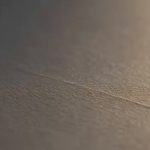
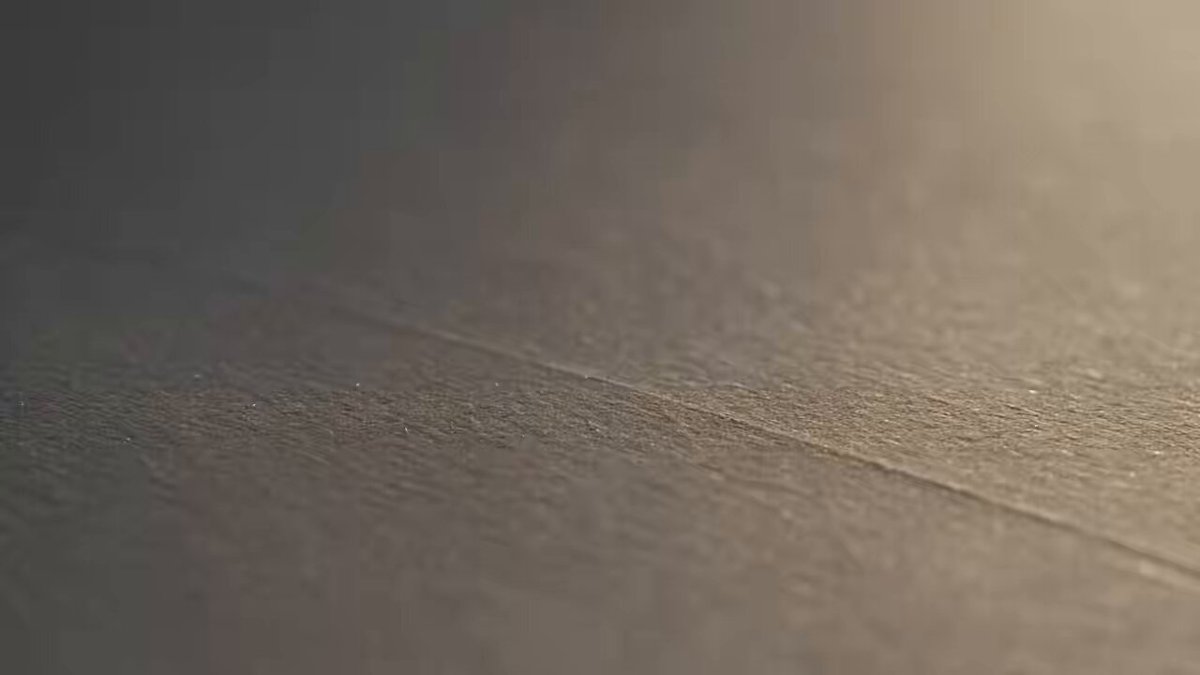
以一张空白纹理纸的 extreme macro shot 开始。
一道折痕缓慢地在纸面上形成。
Lens: 100mm macro
Camera: Completely static
随着折叠继续,柔和日光掠过纸面。
在纸张达到最终形态的瞬间精确 Cut。
00:05–00:11 — 城市浮现
Transition into a 50mm shot。
折叠的纸张开始形成微型街道和建筑结构。
建筑通过精心构造的纸张折叠自然地从表面升起。
Camera 缓慢横向 tracks。
微小的窗户捕捉到光线。
一切都不应显得由计算机生成;每个表面都应具有可信的纸张纤维、折痕、阴影与瑕疵。
00:11–00:17 — THE REVEAL
Move into a 35mm shot。
Camera pulls backward。
这个小型布置显露为一座巨大的手工纸艺城市,在一张大桌子上绵延展开。
道路连接不同城区。
桥梁横跨微型河流。
纸树在看不见的微风中轻轻摇动。
00:17–00:23 — 清晨
Transition into a slow overhead crane shot。
温暖阳光逐渐铺满纸艺城市。
建筑投下的阴影变得更长、更清晰。
微小的纸窗开始反射阳光。
Camera 继续上升,展现街道与建筑之间的几何关系。
00:23–00:27 — THE DETAIL
Cut to an 85mm close-up。
聚焦安装在一栋建筑上的微型纸钟。
时钟向前走了一分钟。
Rack focus from the clock to the miniature skyline behind it。
00:27–00:30 — FINAL IMAGE
Return to an extreme wide shot。
整座纸艺城市坐落在一扇大型摄影棚窗户下方。
晨光完全充满这个微型世界。
Camera slowly pulls backward,直至城市成为更大房间中的一个小物件。
Fade to black。
CINEMATOGRAPHY
Large-format feature-film aesthetic。
100mm macro 用于呈现纹理。
85mm 用于细节。
50mm 用于自然透视。
35mm 用于 environmental shots。
受控的 dolly 和 crane movements。
写实的 depth of field。
自然的 focus transitions。
柔和的 motion blur。
细微的 lens imperfections。
不使用人为 camera shake。
MATERIAL DIRECTION
每个表面都必须明显呈现出真实纸张的物理特性。
清晰可见的纸张纤维。
自然折痕。
细小瑕疵。
柔和的纸板边缘。
写实的 contact shadows。
可信的纸张厚度。
自然的材料形变。
LIGHTING
柔和的清晨日光。
以大型窗户作为 primary source。
自然的 bounce light。
轻柔阴影。
细微的暖色高光。
不使用人为 neon effects。
不使用过度的 visual effects。
CONTINUITY
整个 sequence 始终使用同一座纸艺城市。
建筑保持完全相同的形状与位置。
道路始终相连。
纸张材料保持一致。
不出现随机 transformations。
不出现 flickering。
不出现 duplicated structures。
环境不发生突然变化。
DIRECTOR’S NOTE
将其视为一部微型 feature film,而不是 visual-effects demonstration。
Camera 应逐步探索这个世界。
从亲密尺度开始。
展现规模。
回归细节。
以 wide 结束。
观众应当感觉自己正在观看一个由 cinema camera 拍摄的真实手工世界。
Photorealistic 4K • tactile materials • feature-film cinematography • sophisticated lighting • realistic miniature photography • cinematic depth • precise camera movement • seamless visual continuity。
原文提示词(English)
30-SECOND CINEMATIC SHORT
Create a 30-second cinematic sequence with the visual discipline of a major feature film. The world is entirely made from paper, cardboard, ink, and delicate handcrafted materials.
00:00–00:05 — THE FIRST FOLD
Begin with an extreme macro shot of a blank sheet of textured paper.
A single fold slowly forms across its surface.
Lens: 100mm macro
Camera: Completely static
Soft daylight moves across the paper as the fold continues.
Cut precisely as the paper reaches its final shape.
00:05–00:11 — THE CITY EMERGES
Transition into a 50mm shot.
The folded paper begins forming miniature streets and architectural structures.
Buildings rise naturally from the surface through carefully constructed paper folds.
The camera slowly tracks sideways.
Tiny windows catch the light.
Nothing feels computer-generated; every surface should have believable paper fibers, folds, shadows, and imperfections.
00:11–00:17 — THE REVEAL
Move into a 35mm shot.
The camera pulls backward.
The small arrangement is revealed as an enormous handcrafted paper city stretching across a large table.
Roads connect different districts.
Bridges cross miniature rivers.
Paper trees move gently from an unseen breeze.
00:17–00:23 — MORNING
Transition into a slow overhead crane shot.
Warm sunlight gradually spreads across the paper city.
Shadows from the buildings become longer and more defined.
Tiny paper windows begin reflecting the sunlight.
The camera continues rising, revealing the geometric relationship between the streets and buildings.
00:23–00:27 — THE DETAIL
Cut to an 85mm close-up.
Focus on a tiny paper clock mounted on one building.
The clock moves forward by one minute.
Rack focus from the clock to the miniature skyline behind it.
00:27–00:30 — FINAL IMAGE
Return to an extreme wide shot.
The entire paper city sits beneath a large studio window.
The morning light completely fills the miniature world.
Camera slowly pulls backward until the city becomes a small object within the larger room.
Fade to black.
CINEMATOGRAPHY
Large-format feature-film aesthetic.
100mm macro for texture.
85mm for detail.
50mm for natural perspective.
35mm for environmental shots.
Controlled dolly and crane movements.
Realistic depth of field.
Natural focus transitions.
Soft motion blur.
Subtle lens imperfections.
No artificial camera shake.
MATERIAL DIRECTION
Every surface must visibly behave like physical paper.
Visible paper fibers.
Natural folds.
Tiny imperfections.
Soft cardboard edges.
Realistic contact shadows.
Believable paper thickness.
Natural material deformation.
LIGHTING
Soft morning daylight.
Large window as the primary source.
Natural bounce light.
Gentle shadows.
Subtle warm highlights.
No artificial neon effects.
No excessive visual effects.
CONTINUITY
The same paper city throughout the entire sequence.
Buildings maintain identical shapes and positions.
Roads remain connected.
Paper materials remain consistent.
No random transformations.
No flickering.
No duplicated structures.
No sudden environmental changes.
DIRECTOR’S NOTE
Treat this as a miniature feature film, not a visual-effects demonstration.
The camera should discover the world gradually.
Start intimate.
Reveal scale.
Return to detail.
Finish wide.
The audience should feel that they are watching a real handcrafted world photographed with a cinema camera.
Photorealistic 4K • tactile materials • feature-film cinematography • sophisticated lighting • realistic miniature photography • cinematic depth • precise camera movement • seamless visual continuity.
建议模型
Seedance / GPT Image
视频地址